Fresh Stinking Toe tropical fruit – IslandFruitGuide
rareseasonal

Stinking Toe

Hymenaea courbaril

🌍 Native to the Caribbean and tropical Americas📅 January–May
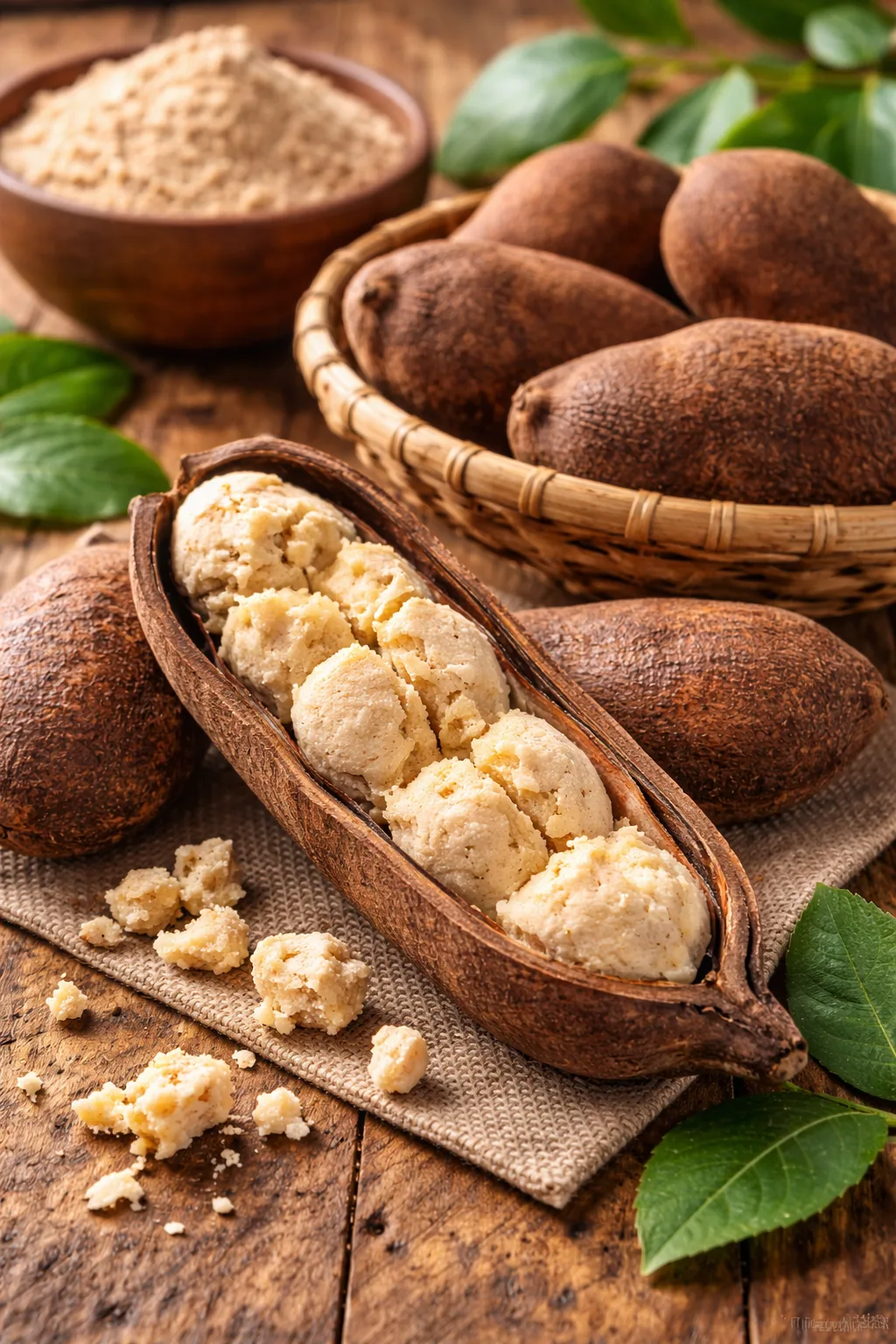
Fresh Stinking Toe tropical fruit – IslandFruitGuide

What is Stinking Toe?

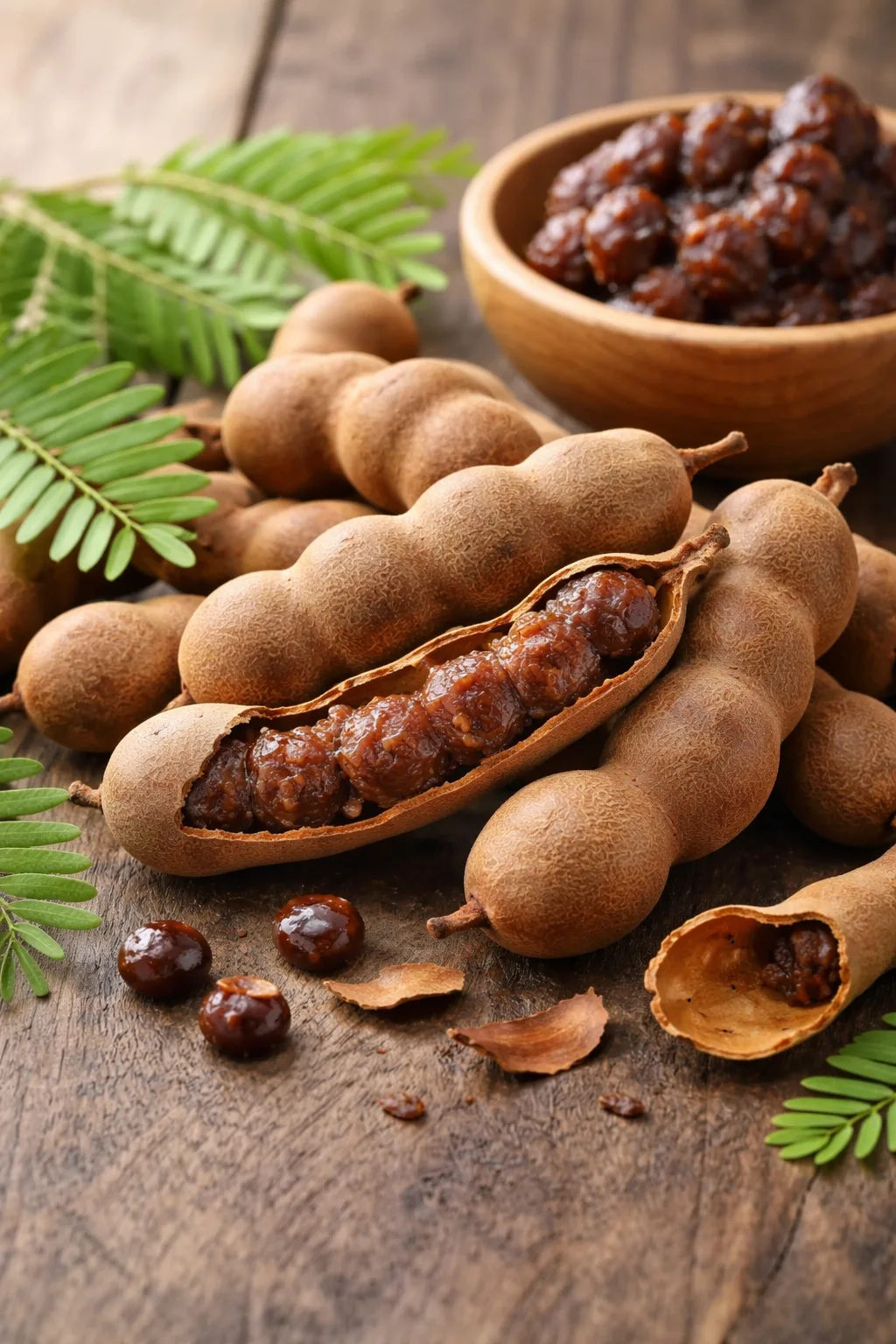
Stinking toe, also called West Indian locust, is a traditional Caribbean forest fruit with a hard brown pod. Inside is a dry, pale pulp with a strong aroma and a sweet, floury taste similar to roasted chestnut or caramel. Often eaten as a nostalgic snack.

💚 Health Benefits of Stinking Toe

  • Traditional energy food due to carbohydrate-rich pulp
  • Contains fiber that supports digestion
  • Historically used as a survival food in rural Caribbean communities
  • May provide minerals like calcium and iron
  • Pulp is shelf-stable and travel-friendly

🍴 How to Eat Stinking Toe

Crack open the hard pod, smell the distinctive aroma, then eat the dry pulp. Avoid chewing the very hard seeds. Traditionally eaten plain or mixed into porridge in some communities.

📦 Storage & Preparation

Unopened pods keep for weeks in a dry place. Once opened, keep pulp dry and sealed.

📊 Nutrition Facts

Contains carbohydrates, fiber, and minerals. The dry pulp is energy-dense compared to watery fruits.

Quick Facts

SeasonJanuary–May

OriginNative to the Caribbean and tropical Americas

Categoriesrare, seasonal

Views650

Related Fruits

⚖️ Compare Stinking Toe

See how Stinking Toe stacks up against other tropical fruits — nutrition, taste, and uses side by side.

🏆 Fruit Match-Up

Soursop vs Sweetsop? Papaya vs Banana? Discover which Caribbean superfruit is your perfect match.

🧠 Test Your Fruit IQ

Think you know Caribbean fruits? Take our 5-question quiz and unlock a special reward!

📖 Caribbean Tropical Fruit Guide

The ultimate ebook with 50+ fruit profiles, 100+ recipes, nutrition facts, and seasonal guides. Your complete tropical fruit encyclopedia.
🌴 Explore More Fruits

Discover our complete collection of tropical fruits.

🧡 You May Also Like

Quick Answer

Stinking Toe: Hard brown pod with fragrant yellow powder (locust fruit). Here's what you need to know.

  • Top 3 health benefits: antioxidants, calcium, B vitamins
  • Common uses: eaten as powder, drinks
  • Warnings: Tough shell must be cracked open

Search Intent Guide

IntentDirect answer
InformationalLearn what Stinking Toe is, how it is used, and why it matters in Caribbean food culture.
ComparisonUse the linked comparison guides to evaluate taste, nutrition, seasonality, and recipe fit.
NavigationalExplore fruit profiles, recipes, health guides, seasonal pages, and downloadable guides from IslandFruitGuide.
CommercialFuture-friendly areas are prepared for ebooks, affiliate product cards, premium calculators, and downloadable wellness tools.

People Also Ask

What is Stinking Toe?

Stinking Toe is a Caribbean and tropical fruit covered by IslandFruitGuide with taste notes, nutrition context, traditional uses, recipes, and storage guidance.

What are the main benefits of Stinking Toe?

Stinking Toe may contribute vitamins, minerals, fiber, antioxidants, or hydration depending on the fruit. Use the nutrition notes as educational guidance, not medical advice.

How do you eat Stinking Toe?

Most tropical fruits can be eaten ripe and fresh, blended into juices or smoothies, or used in Caribbean recipes. Follow page-specific preparation and safety notes before eating.

Is Stinking Toe safe for everyone?

Food allergies, medication interactions, pregnancy, kidney disease, diabetes, and herbal preparations can change safety needs. Ask a qualified clinician for personal medical advice.

IslandFruitGuide Topic Clusters

Sources and Editorial Review

Reviewed by: IslandFruitGuide Editorial Team

Last Updated: June 17, 2026

Traditional Caribbean usage: Cultural notes are presented as food heritage and traditional usage, not as medical treatment claims.

Nutritional references: Nutrient summaries are cross-checked against public food composition and nutrition education references where available.

Continue Learning