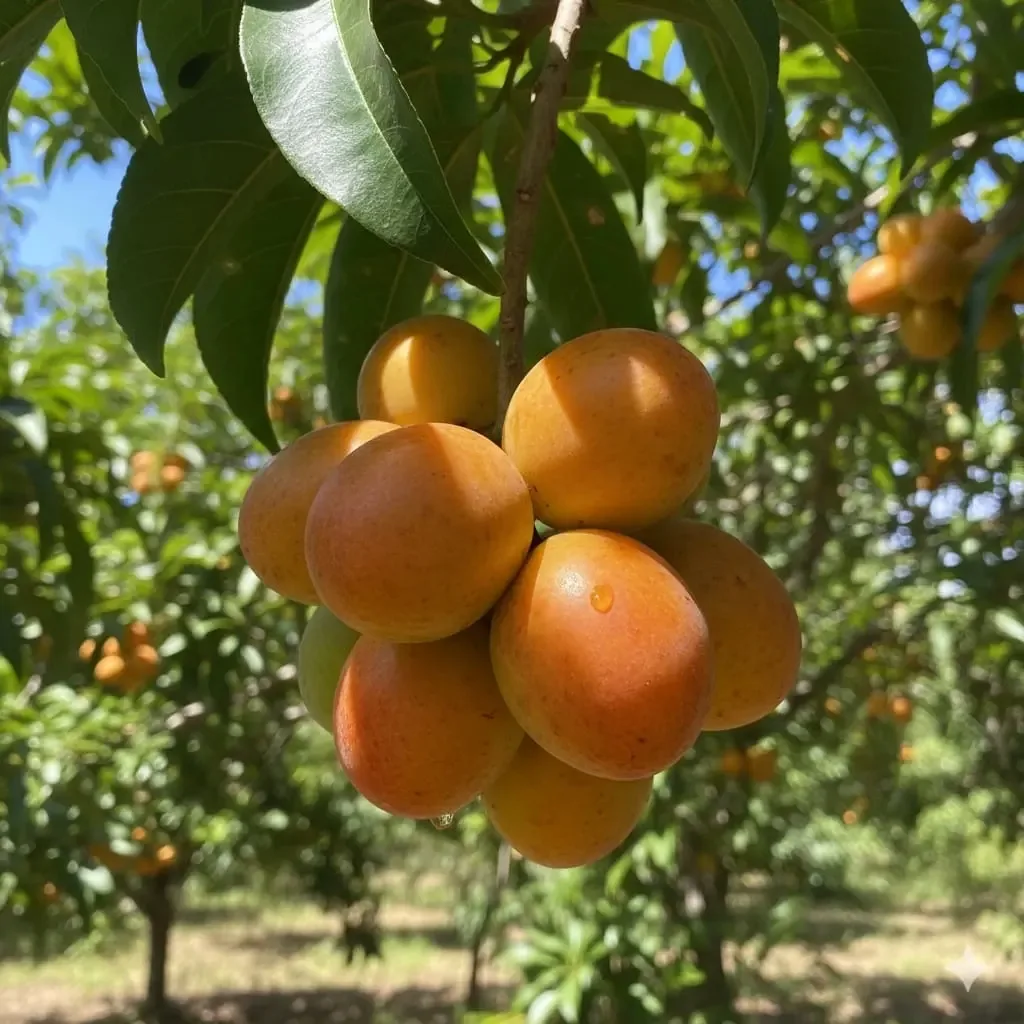
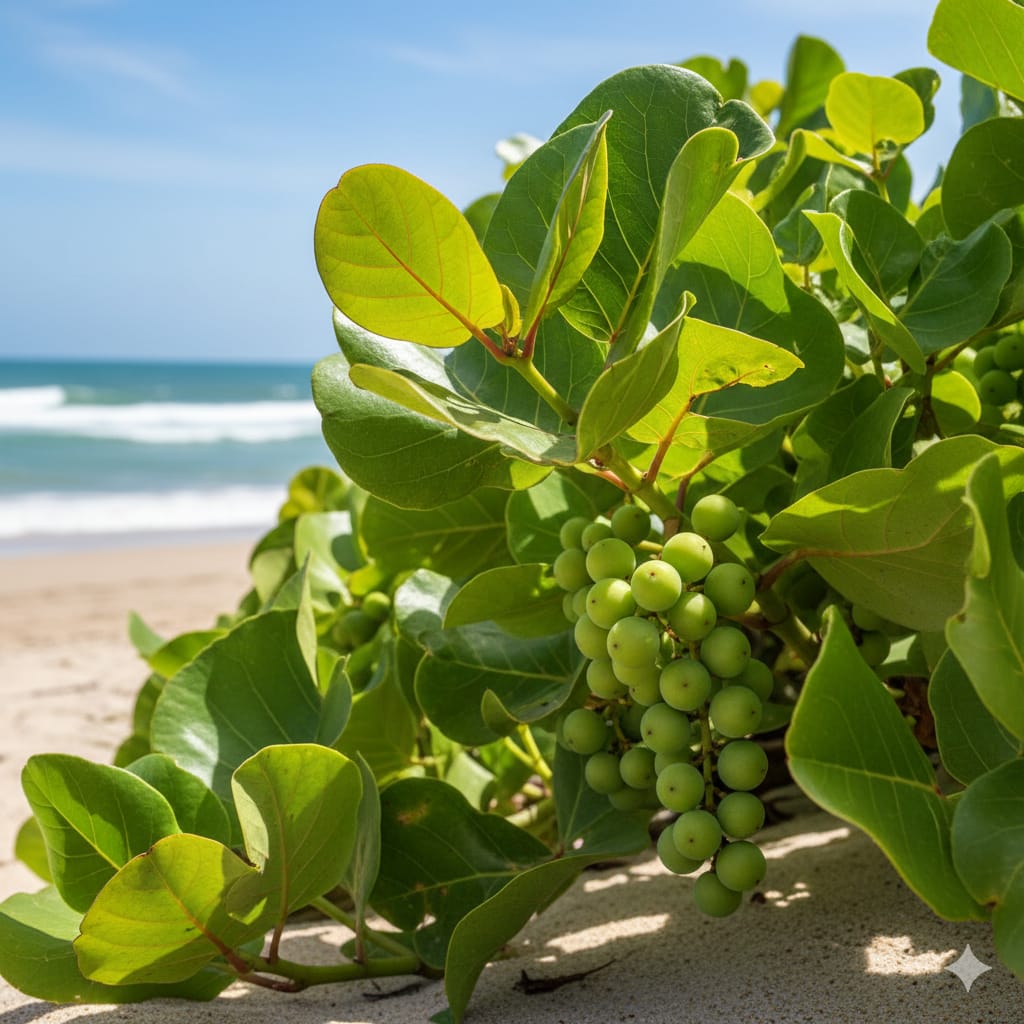
Fresh Sea Grape tropical fruit – IslandFruitGuide
rareseasonal

Sea Grape

Coccoloba uvifera

🌍 Native to Caribbean coastlines, Florida, and Central America📅 June–September (coastal Caribbean)
Fresh Sea Grape tropical fruit – IslandFruitGuide

What is Sea Grape?

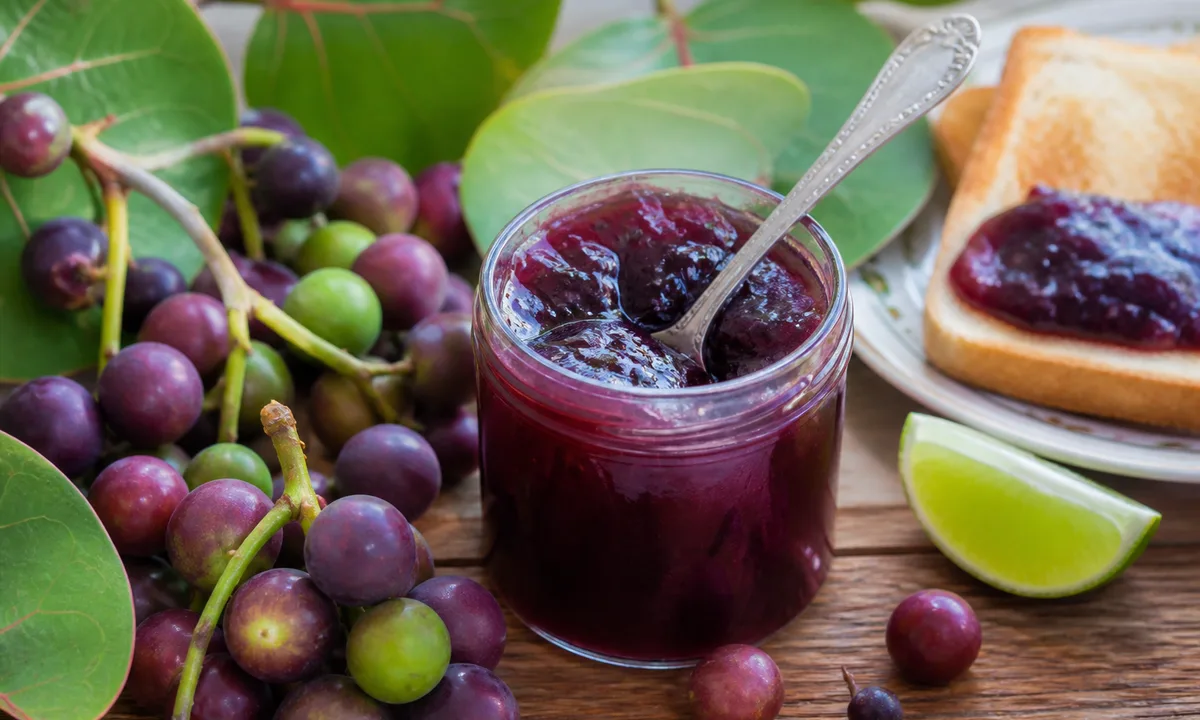
Sea grape is a coastal Caribbean fruit that grows in large, grape-like clusters on trees along beaches and dunes. The fruits turn from green to deep purple when ripe and have a mildly sweet, wine-like flavor. Traditionally eaten fresh, made into jellies, or fermented into homemade wine.

💚 Health Benefits of Sea Grape

  • Provides antioxidants that help neutralize free radicals
  • Traditional Caribbean remedy for sore throat and cough when made into syrup
  • Mildly astringent properties support digestive health
  • Rich in tannins which may support cardiovascular health
  • Coastal plant that helps stabilize dunes and protect against erosion

🍴 How to Eat Sea Grape

Eat ripe purple fruits fresh by sucking the pulp from the seed, or cook down with sugar and water to make a thick sea grape syrup or jelly. Traditionally fermented into homemade wine along Caribbean coasts.

📦 Storage & Preparation

Fresh sea grapes should be kept refrigerated and consumed within 3–4 days. Syrups, jellies, and wine have a much longer shelf life when properly bottled.

📊 Nutrition Facts

Contains vitamin C, iron, fiber, and polyphenol antioxidants. Lower in sugar than table grapes, with about 60 calories per 100g.

🍽️ Sea Grape Recipes

Homemade Sea Grape Wine – IslandFruitGuide Recipe

Homemade Sea Grape Wine

A traditional Caribbean homemade sea grape wine — deep ruby-red, fruity, and slightly tart. Brewed from wild-harvested coastal sea grapes using an authentic island winemaking method passed down through generations.

⏱️ 1 hour prep🔥 6-10 weeks (fermentation) cook👥 12
🍇 Sea Grape
Quick Facts

SeasonJune–September (coastal Caribbean)

OriginNative to Caribbean coastlines, Florida, and Central America

Categoriesrare, seasonal

Views900

Related Fruits

⚖️ Compare Sea Grape

See how Sea Grape stacks up against other tropical fruits — nutrition, taste, and uses side by side.

🏆 Fruit Match-Up

Soursop vs Sweetsop? Papaya vs Banana? Discover which Caribbean superfruit is your perfect match.

🧠 Test Your Fruit IQ

Think you know Caribbean fruits? Take our 5-question quiz and unlock a special reward!

📖 Caribbean Tropical Fruit Guide

The ultimate ebook with 50+ fruit profiles, 100+ recipes, nutrition facts, and seasonal guides. Your complete tropical fruit encyclopedia.

🌴 Explore More Fruits

Discover our complete collection of tropical fruits.

🧡 You May Also Like

Quick Answer

Sea Grape: Purple grape-like clusters on coastal trees. Here's what you need to know.

  • Top 3 health benefits: antioxidants, vitamin C, manganese
  • Common uses: eaten fresh, made into jelly/wine
  • Warnings: Seeds can be bitter

Search Intent Guide

IntentDirect answer
InformationalLearn what Sea Grape is, how it is used, and why it matters in Caribbean food culture.
ComparisonUse the linked comparison guides to evaluate taste, nutrition, seasonality, and recipe fit.
NavigationalExplore fruit profiles, recipes, health guides, seasonal pages, and downloadable guides from IslandFruitGuide.
CommercialFuture-friendly areas are prepared for ebooks, affiliate product cards, premium calculators, and downloadable wellness tools.

People Also Ask

What is Sea Grape?

Sea Grape is a Caribbean and tropical fruit covered by IslandFruitGuide with taste notes, nutrition context, traditional uses, recipes, and storage guidance.

What are the main benefits of Sea Grape?

Sea Grape may contribute vitamins, minerals, fiber, antioxidants, or hydration depending on the fruit. Use the nutrition notes as educational guidance, not medical advice.

How do you eat Sea Grape?

Most tropical fruits can be eaten ripe and fresh, blended into juices or smoothies, or used in Caribbean recipes. Follow page-specific preparation and safety notes before eating.

Is Sea Grape safe for everyone?

Food allergies, medication interactions, pregnancy, kidney disease, diabetes, and herbal preparations can change safety needs. Ask a qualified clinician for personal medical advice.

IslandFruitGuide Topic Clusters

Sources and Editorial Review

Reviewed by: IslandFruitGuide Editorial Team

Last Updated: June 17, 2026

Traditional Caribbean usage: Cultural notes are presented as food heritage and traditional usage, not as medical treatment claims.

Nutritional references: Nutrient summaries are cross-checked against public food composition and nutrition education references where available.

Continue Learning