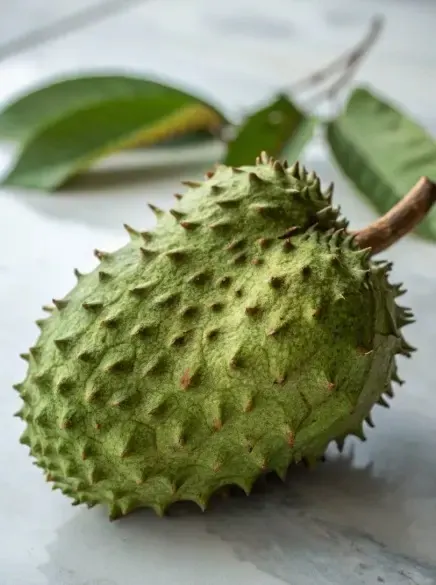
Soursop Leaf Tea: Benefits, Preparation & Safety Guide
A complete guide to making soursop leaf tea the Caribbean way. Learn the traditional benefits, proper preparation, dosage, and important safety warnings.
Soursop leaf tea is one of the most popular traditional remedies in the Caribbean. For generations, island families have brewed these leaves for relaxation, digestion, and immune support.
Traditional Caribbean Uses
Across Jamaica, Trinidad, Barbados, and beyond, soursop leaf tea has been traditionally used for: • Promoting relaxation and better sleep • Supporting digestive health • Easing minor aches and discomfort • General immune support • Calming nerves and reducing anxiety
What Science Says
Research on soursop leaves is emerging but still limited: • A 2014 study in the Journal of Ethnopharmacology found anti-inflammatory properties in leaf extracts • Animal studies suggest potential blood sugar regulation effects • Leaf compounds show antioxidant activity in laboratory settings • NO large-scale human clinical trials exist yet
How to Prepare Soursop Leaf Tea
Ingredients: • 3-4 dried soursop leaves (or 1-2 fresh leaves) • 2 cups water • Optional: honey, lime, or ginger
Instructions: 1. Rinse leaves thoroughly 2. Boil water in a pot 3. Add leaves and reduce to simmer for 10-15 minutes 4. Strain into a cup 5. Add honey, lime, or ginger if desired 6. Drink warm
Dosage Guidelines
- •Maximum 1-2 cups per day
- •Do NOT drink daily for extended periods
- •Limit to 3-4 days per week
- •Pregnant and breastfeeding women should avoid
- •Consult a doctor if taking blood pressure or diabetes medication
Important Safety Warnings
- •Long-term excessive consumption may be linked to neurotoxicity
- •Never substitute soursop tea for medical treatment
- •Some people may experience digestive upset
- •Always start with a small amount to test tolerance
- •Buy leaves from reputable sources only
Want More? Download the Full Ebook!
This article is an excerpt from our premium guides. Get the complete ebooks with 50+ fruit profiles, 100+ recipes, meal plans, and expert research.
💯 30-day money-back guarantee • 📥 Instant PDF download
🍽️ Related Recipes
More Articles
Quick Answer
Soursop leaf tea is a traditional Caribbean herbal remedy used for relaxation, digestion, and immune support, prepared by steeping leaves in hot water for 10-15 minutes.
- Best use: Research Caribbean fruits, tropical nutrition, recipes, and traditional island food culture.
- Nutrition summary: Focus on whole fruit, fiber, hydration, vitamin C, potassium, and antioxidant variety.
- Safety note: Herbal and wellness content is educational only. Do not replace professional medical care.
Search Intent Guide
| Intent | Direct answer |
|---|---|
| Informational | Learn what Soursop Leaf Tea: Benefits, Preparation is, how it is used, and why it matters in Caribbean food culture. |
| Comparison | Use the linked comparison guides to evaluate taste, nutrition, seasonality, and recipe fit. |
| Navigational | Explore fruit profiles, recipes, health guides, seasonal pages, and downloadable guides from IslandFruitGuide. |
| Commercial | Future-friendly areas are prepared for ebooks, affiliate product cards, premium calculators, and downloadable wellness tools. |
People Also Ask
What is the quick takeaway from Soursop Leaf Tea: Benefits, Preparation?
The quick takeaway is that soursop leaf tea is a traditional Caribbean remedy used for relaxation, digestion, and immune support, but should be consumed in moderation due to potential safety concerns with long-term use.
Is this article medical advice?
No. IslandFruitGuide articles are educational and should not replace advice from a qualified healthcare professional.
Where can I explore related fruit guides?
Use the related guides section to compare fruits, find recipes, check seasonal availability, and read nutrition-focused pages.
IslandFruitGuide Topic Clusters
Sources and Editorial Review
Reviewed by: IslandFruitGuide Editorial Team
Last Updated: June 17, 2026
Traditional Caribbean usage: Cultural notes are presented as food heritage and traditional usage, not as medical treatment claims.
Nutritional references: Nutrient summaries are cross-checked against public food composition and nutrition education references where available.