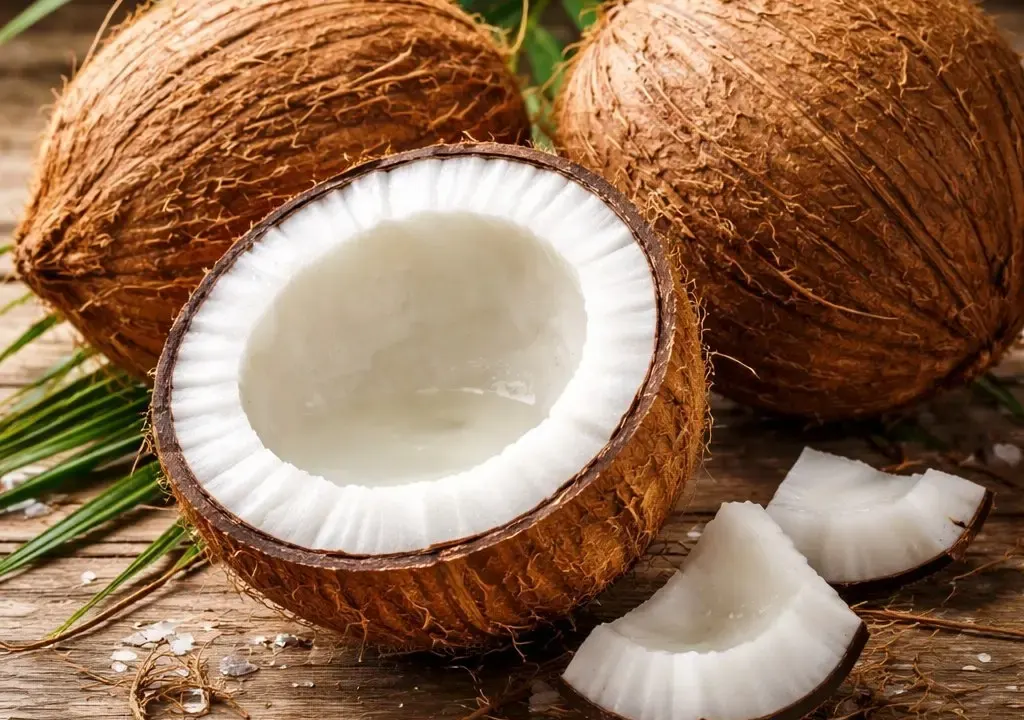
Coconut Oil for Skin & Hair: The Caribbean Beauty Secret
Caribbean women have used coconut oil for centuries as a natural moisturizer, hair treatment, and beauty staple. Here's the science behind it.
Long before coconut oil became a global wellness trend, Caribbean women used it as their primary beauty product. And the science backs them up.
For Skin
- •Natural Moisturizer: Coconut oil's medium-chain fatty acids penetrate skin better than mineral oil. A study in Dermatitis journal found it significantly improved skin hydration.
- •Antimicrobial Protection: Lauric acid (50% of coconut oil) kills bacteria, fungi, and viruses — helping with acne and skin infections.
- •Anti-Aging: Antioxidants in virgin coconut oil help reduce appearance of fine lines.
- •Wound Healing: Studies show accelerated wound closure when treated with coconut oil.
For Hair
- •Protein Loss Prevention: Unlike other oils, coconut oil actually penetrates the hair shaft and reduces protein loss. Published in the Journal of Cosmetic Science.
- •Deep Conditioning: Apply warm coconut oil, wrap in a towel, leave for 30 minutes. Caribbean women have done this for generations.
- •Scalp Health: Antimicrobial properties help control dandruff.
- •Frizz Control: A tiny amount smoothed through damp hair controls frizz naturally.
How to Choose
- •Use virgin (unrefined) coconut oil for beauty — it retains the beneficial compounds
- •Look for cold-pressed — heat processing destroys some antioxidants
- •Organic is preferred to avoid pesticide residues
- •The oil should smell like fresh coconut — if it doesn't, it's been overly processed
DIY Caribbean Beauty Recipes
Island Glow Body Butter: Mix ½ cup coconut oil + 2 tbsp shea butter + 10 drops lavender essential oil. Whip until fluffy.
Tropical Hair Mask: Blend 3 tbsp coconut oil + ½ ripe avocado + 1 tbsp honey. Apply to damp hair for 30 minutes.
Want More? Download the Full Ebook!
This article is an excerpt from our premium guides. Get the complete ebooks with 50+ fruit profiles, 100+ recipes, meal plans, and expert research.
💯 30-day money-back guarantee • 📥 Instant PDF download
🍽️ Related Recipes
More Articles
Quick Answer
Coconut oil has been used for centuries in the Caribbean as a natural moisturizer, hair treatment, and beauty staple, with benefits for skin hydration, antimicrobial protection, anti-aging, and wound healing.
- Best use: Research Caribbean fruits, tropical nutrition, recipes, and traditional island food culture.
- Nutrition summary: Focus on whole fruit, fiber, hydration, vitamin C, potassium, and antioxidant variety.
- Safety note: Use fresh fruit safely, store prepared foods cold, and consider allergies or medication interactions.
Search Intent Guide
| Intent | Direct answer |
|---|---|
| Informational | Learn what Coconut Oil for Skin is, how it is used, and why it matters in Caribbean food culture. |
| Comparison | Use the linked comparison guides to evaluate taste, nutrition, seasonality, and recipe fit. |
| Navigational | Explore fruit profiles, recipes, health guides, seasonal pages, and downloadable guides from IslandFruitGuide. |
| Commercial | Future-friendly areas are prepared for ebooks, affiliate product cards, premium calculators, and downloadable wellness tools. |
People Also Ask
What is the quick takeaway from Coconut Oil for Skin?
The quick takeaway is that coconut oil has been used for centuries in the Caribbean as a natural moisturizer, hair treatment, and beauty staple, with science backing its benefits for skin hydration, antimicrobial protection, anti-aging, and wound healing.
Is this article medical advice?
No. IslandFruitGuide articles are educational and should not replace advice from a qualified healthcare professional.
Where can I explore related fruit guides?
Use the related guides section to compare fruits, find recipes, check seasonal availability, and read nutrition-focused pages.
IslandFruitGuide Topic Clusters
Sources and Editorial Review
Reviewed by: IslandFruitGuide Editorial Team
Last Updated: June 17, 2026
Traditional Caribbean usage: Cultural notes are presented as food heritage and traditional usage, not as medical treatment claims.
Nutritional references: Nutrient summaries are cross-checked against public food composition and nutrition education references where available.