Fresh Custard Apple tropical fruit – IslandFruitGuide
rareseasonal

Custard Apple

Annona reticulata

🌍 Central America and Caribbean, grown across the tropics📅 August–November
Fresh Custard Apple tropical fruit – IslandFruitGuide

What is Custard Apple?

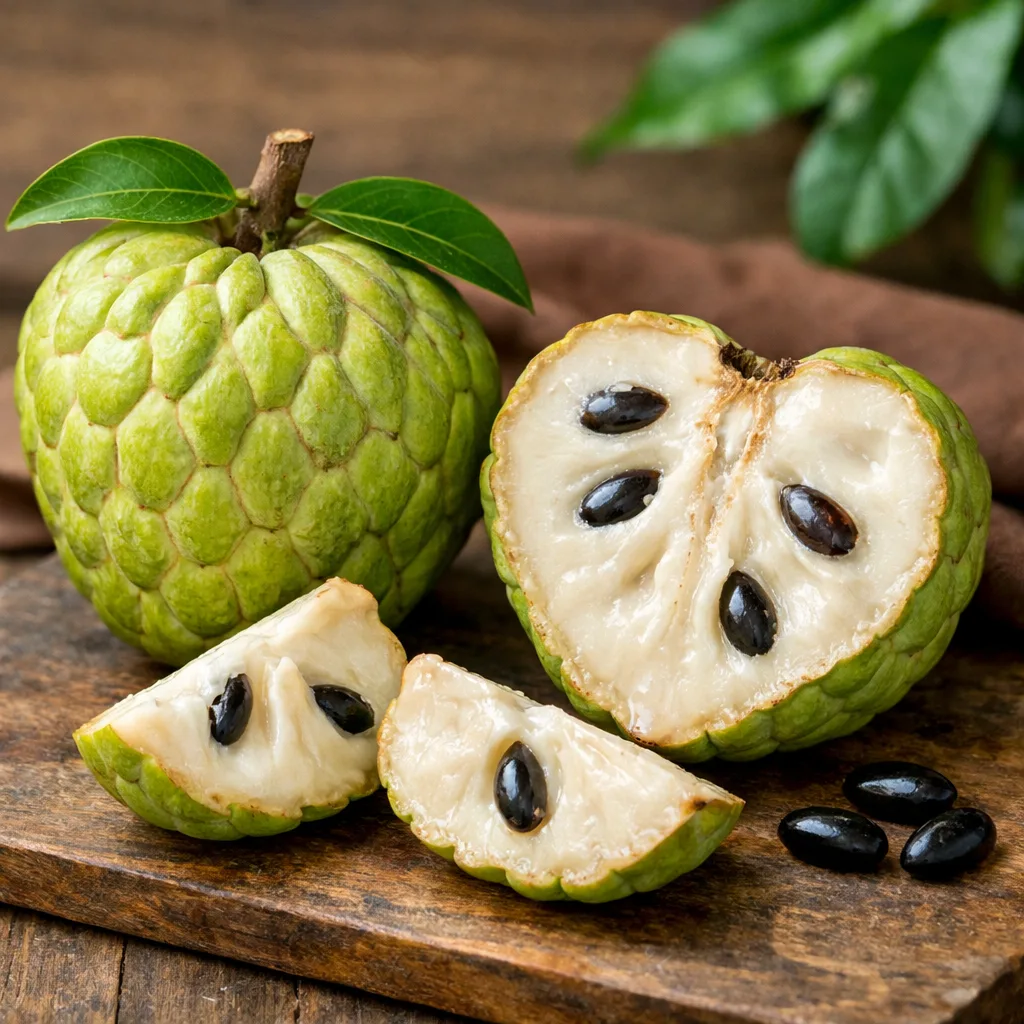
Custard apple, also known as bullock's heart in the Caribbean, is a heart-shaped fruit with a smooth reddish-brown skin and creamy, sweet white flesh with a custard-like texture. It's closely related to soursop and sugar apple, and is a cherished treat when in season.

💚 Health Benefits of Custard Apple

  • Rich in vitamin C supporting collagen production and immunity
  • High in potassium regulating blood pressure
  • Contains magnesium supporting muscle and nerve function
  • Dietary fiber promotes healthy digestion
  • B vitamins support energy metabolism and brain function

🍴 How to Eat Custard Apple

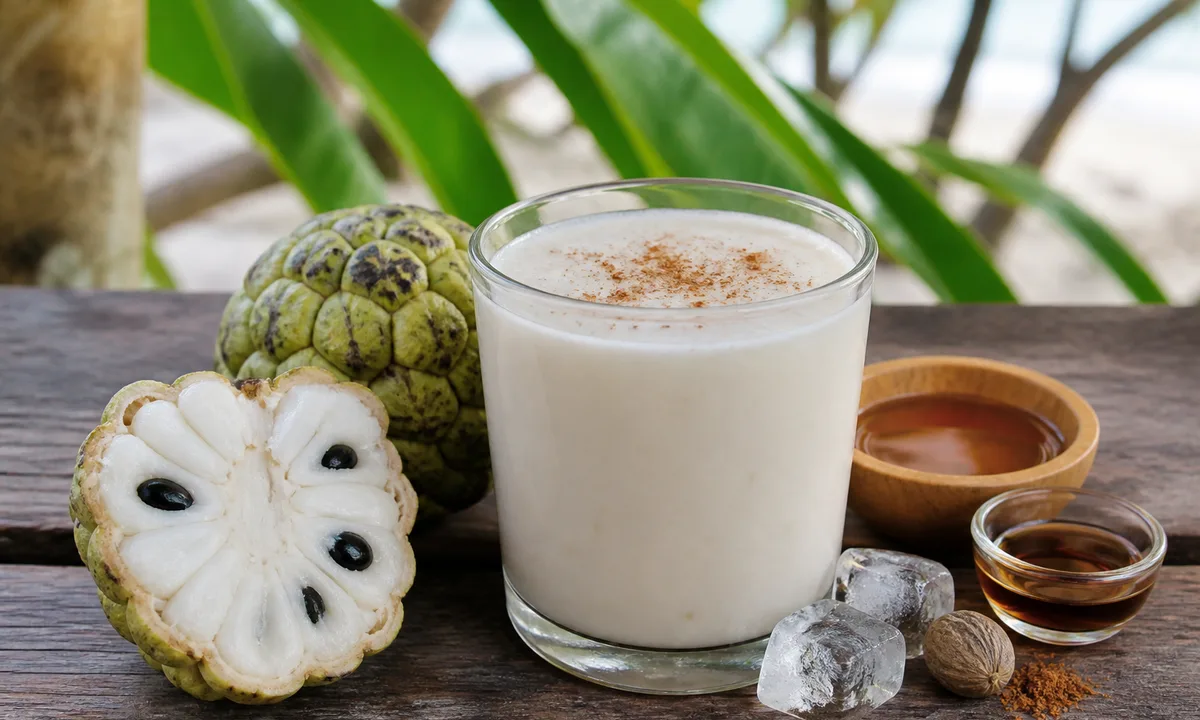
Wait until fully ripe (slightly soft to touch). Cut or break open and scoop out the sweet white flesh. Remove and discard the black seeds. Best enjoyed fresh and chilled. Can be blended into smoothies or ice cream base.

📦 Storage & Preparation

Ripen at room temperature — can take 3-5 days. Ripe fruit should be eaten within 1-2 days. The pulp can be frozen for up to 3 months.

📊 Nutrition Facts

Good source of vitamin C, B vitamins, potassium, magnesium, and dietary fiber. Contains about 101 calories per 100g with 4.4g of fiber.

Quick Facts

SeasonAugust–November

OriginCentral America and Caribbean, grown across the tropics

Categoriesrare, seasonal

Views1,600

Related Fruits

⚖️ Compare Custard Apple

See how Custard Apple stacks up against other tropical fruits — nutrition, taste, and uses side by side.

🏆 Fruit Match-Up

Soursop vs Sweetsop? Papaya vs Banana? Discover which Caribbean superfruit is your perfect match.

🧠 Test Your Fruit IQ

Think you know Caribbean fruits? Take our 5-question quiz and unlock a special reward!

📖 Caribbean Tropical Fruit Guide

The ultimate ebook with 50+ fruit profiles, 100+ recipes, nutrition facts, and seasonal guides. Your complete tropical fruit encyclopedia.
🌴 Explore More Fruits

Discover our complete collection of tropical fruits.

🧡 You May Also Like

Quick Answer

Custard Apple is a heart-shaped fruit with creamy flesh. Here's what you need to know.

  • Top 3 health benefits: vitamin C, B vitamins, magnesium
  • Common uses: eaten fresh, blended into smoothies
  • Warnings: Seeds are toxic if crushed

Search Intent Guide

IntentDirect answer
InformationalLearn what Custard Apple is, how it is used, and why it matters in Caribbean food culture.
ComparisonUse the linked comparison guides to evaluate taste, nutrition, seasonality, and recipe fit.
NavigationalExplore fruit profiles, recipes, health guides, seasonal pages, and downloadable guides from IslandFruitGuide.
CommercialFuture-friendly areas are prepared for ebooks, affiliate product cards, premium calculators, and downloadable wellness tools.

People Also Ask

What is Custard Apple?

Custard Apple is a Caribbean and tropical fruit covered by IslandFruitGuide with taste notes, nutrition context, traditional uses, recipes, and storage guidance.

What are the main benefits of Custard Apple?

Custard Apple may contribute vitamins, minerals, fiber, antioxidants, or hydration depending on the fruit. Use the nutrition notes as educational guidance, not medical advice.

How do you eat Custard Apple?

Most tropical fruits can be eaten ripe and fresh, blended into juices or smoothies, or used in Caribbean recipes. Follow page-specific preparation and safety notes before eating.

Is Custard Apple safe for everyone?

Food allergies, medication interactions, pregnancy, kidney disease, diabetes, and herbal preparations can change safety needs. Ask a qualified clinician for personal medical advice.

IslandFruitGuide Topic Clusters

Sources and Editorial Review

Reviewed by: IslandFruitGuide Editorial Team

Last Updated: June 17, 2026

Traditional Caribbean usage: Cultural notes are presented as food heritage and traditional usage, not as medical treatment claims.

Nutritional references: Nutrient summaries are cross-checked against public food composition and nutrition education references where available.

Continue Learning