Naseberry vs Sapodilla: Same Fruit, Different Names
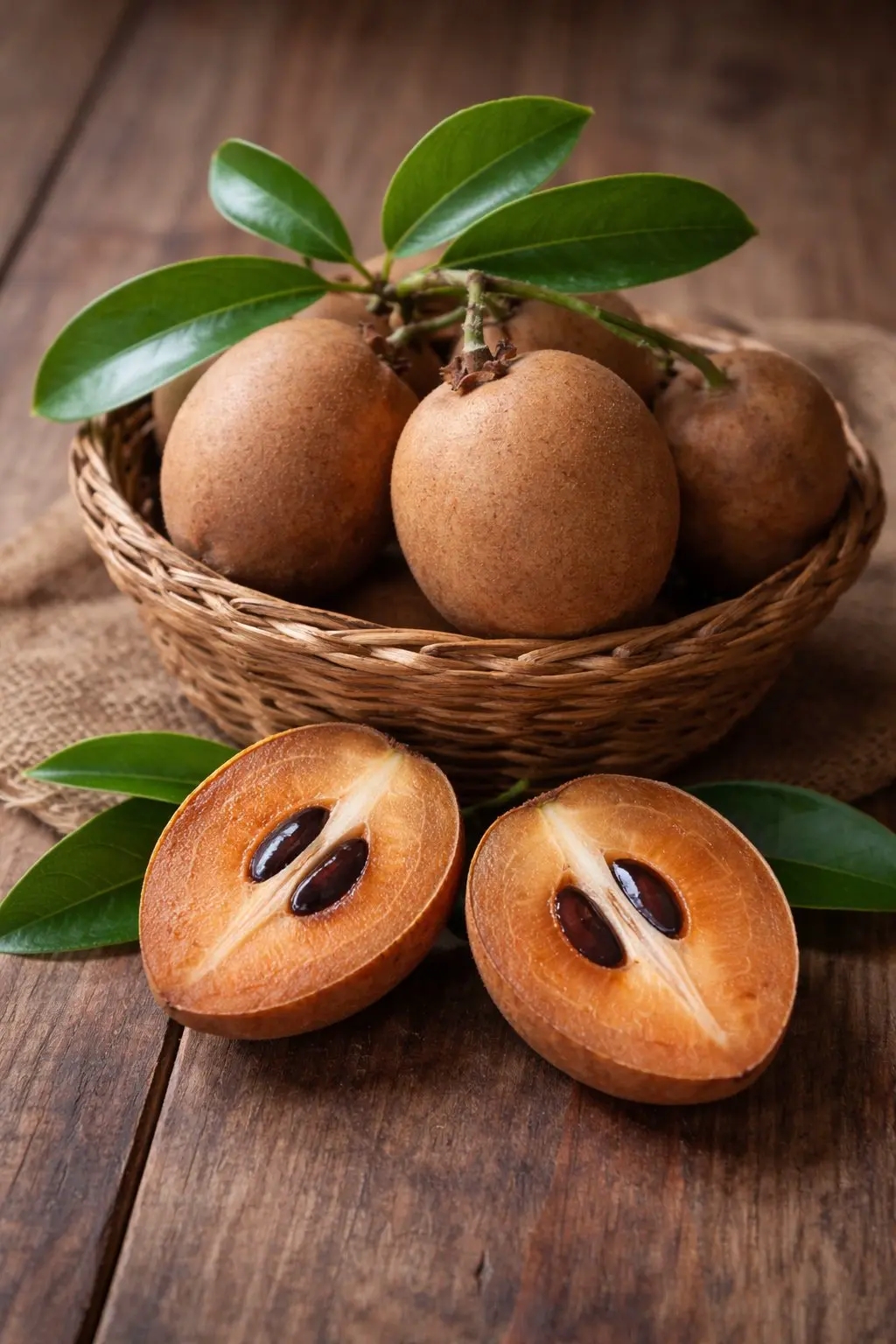
Naseberry and sapodilla are the same fruit (Manilkara zapota), known by different names across the Caribbean and the world. Naseberry is the Jamaican name, while sapodilla is used internationally. This sweet, malty fruit is rich in fiber, vitamin C, copper, and antioxidants.
Quick Answer
Naseberry and sapodilla are the exact same fruit (Manilkara zapota). Naseberry is the name used in Jamaica and parts of the Caribbean, while sapodilla is the international name. It has a sweet, malty flavor similar to pear with brown sugar notes, and is rich in fiber, vitamin C, copper, and antioxidants.
- Built for Google AI Overviews, voice answers, and direct comparison searches.
- Links into fruit, recipe, wellness, and seasonal clusters for stronger topical authority.
- Educational content only; nutrition and traditional-use notes are not medical advice.
Comparison Summary
| Topic | Naseberry (Sapodilla) |
|---|---|
| Scientific Name | Manilkara zapota |
| Texture | Soft, grainy when ripe |
| Taste | Sweet, malty, brown sugar notes |
| Key Nutrients | Fiber, vitamin C, copper, antioxidants |
| Health Benefits | Digestion, immune function, blood health |
| Best Eaten | Fresh, fully ripe, scooped with a spoon |
People Also Ask
Is naseberry the same as sapodilla?
Yes. They are the same fruit (Manilkara zapota). Naseberry is the common name in Jamaica and the Caribbean, while sapodilla is used internationally.
What does naseberry taste like?
Naseberry has a unique sweet, malty flavor reminiscent of pear with hints of brown sugar and dates. The flesh is soft and grainy when fully ripe.
Is sapodilla good for digestion?
Yes. Sapodilla contains significant dietary fiber that aids digestion and promotes regular bowel movements. It also contains antioxidants and tannins with anti-inflammatory properties.
How do you eat a naseberry?
Wash the fruit, cut it in half, remove the seeds, and scoop out the soft flesh with a spoon. Enjoy it fresh at room temperature for the best flavor.
Sources and Editorial Review
Reviewed by: IslandFruitGuide Editorial Team
Last Updated: June 18, 2026
Traditional Caribbean usage: Included as cultural food heritage, not as medical treatment.