GUIDE
Preparation • Safety • Traditional Uses
The Soursop Guide: Nature's Green Powerhouse
Health Benefits • Nutrition Facts • Cancer Research • Preparation • Safety
A comprehensive, evidence-based guide to soursop (Graviola/Guanabana) — one of the most talked-about tropical fruits in natural health. This guide separates fact from fiction, covering real nutritional data, peer-reviewed health research, the cancer debate, safe preparation methods, traditional uses, and important safety precautions. Written for health-conscious readers who want the truth.
Table of Contents
📋 Full Contents
- 1.Introduction: What is Soursop?
- 2.Nutritional Profile
- 3.Core Health Benefits
- 4.The Cancer Debate: Fact vs. Fiction
- 5.Preparation and Usage
- 6.Safety, Side Effects, and Precautions
- 7.Soursop Recipes & Preparations
- 8.Buying, Storing & Growing Soursop
- 9.References & Further Reading
Enjoying the preview?
Introduction: What is Soursop?
Soursop, also known as Graviola or Guanabana, is a tropical fruit native to the Americas and the Caribbean. It is famous for its unique flavor profile — a tangy-sweet cross between pineapple and strawberry with a creamy, citrusy undertone.
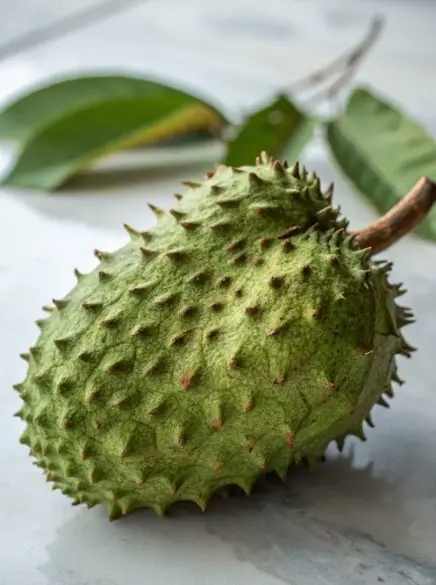
The fruit itself is striking: large (sometimes up to 15 pounds), heart-shaped, covered in soft spines, with white, fibrous flesh and shiny black seeds inside. Its scientific name is *Annona muricata*, and it belongs to the custard apple family (Annonaceae).
Beyond its taste, the leaves, fruit, and seeds have been used for centuries in traditional medicine across the Caribbean, Central America, South America, and West Africa to treat everything from inflammation to parasitic infections.
A Fruit With Deep Cultural Roots
In Jamaica, soursop juice is a beloved household staple — served ice-cold with condensed milk and nutmeg. In Trinidad, the fruit is blended into punch. In Brazil, it's called "graviola" and sold as juice in every corner store. In the Philippines, it's known as "guyabano."
The fruit has gained massive international attention in recent years due to claims about its potential anti-cancer properties. While the research is intriguing, this guide takes an honest, evidence-based approach — celebrating what soursop genuinely offers while being transparent about what science has and hasn't proven.
Why This Guide Exists
There is an overwhelming amount of misinformation about soursop online. Some sources call it a "miracle cure." Others dismiss it entirely. Neither extreme is accurate.
This guide provides: • Real nutritional data from peer-reviewed sources • Honest analysis of health benefit claims • The actual state of cancer research • Safe preparation methods • Important warnings and contraindications • Authentic recipes from across the Caribbean
Whether you drink soursop juice every week or you've never tried it — this guide will give you the full, honest picture.
Ready for the Full Guide?
You've read the free preview. Get the complete The Soursop Guide: Nature's Green Powerhouse with all chapters, recipes, and resources.