How to Start a Caribbean Fruit Farming Business: A Beginner's Guide
Turn your passion for tropical fruits into profit. From backyard growing to commercial farming — a practical guide to starting a fruit business in the Caribbean.
The Caribbean fruit industry offers incredible opportunities for entrepreneurs. With growing global demand for exotic tropical fruits, there's never been a better time to turn your green thumb into green income.
High-Value Fruits to Grow
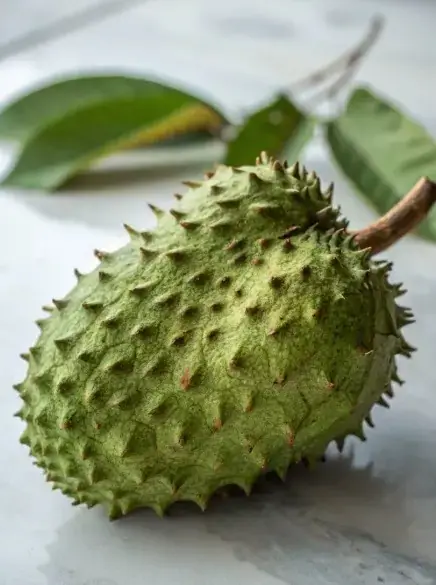
- •Soursop: High demand for fresh fruit, juice, and tea. Fast-growing with fruit in 3-4 years.
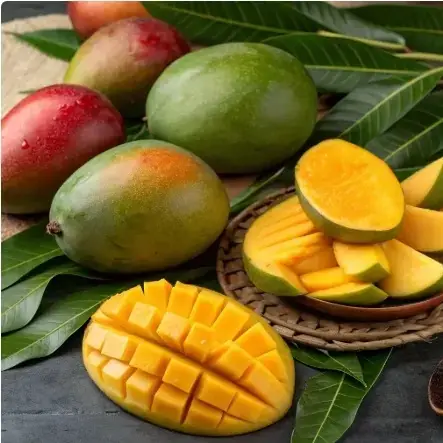
- •Mango: Established market with multiple varieties. Trees live 100+ years.
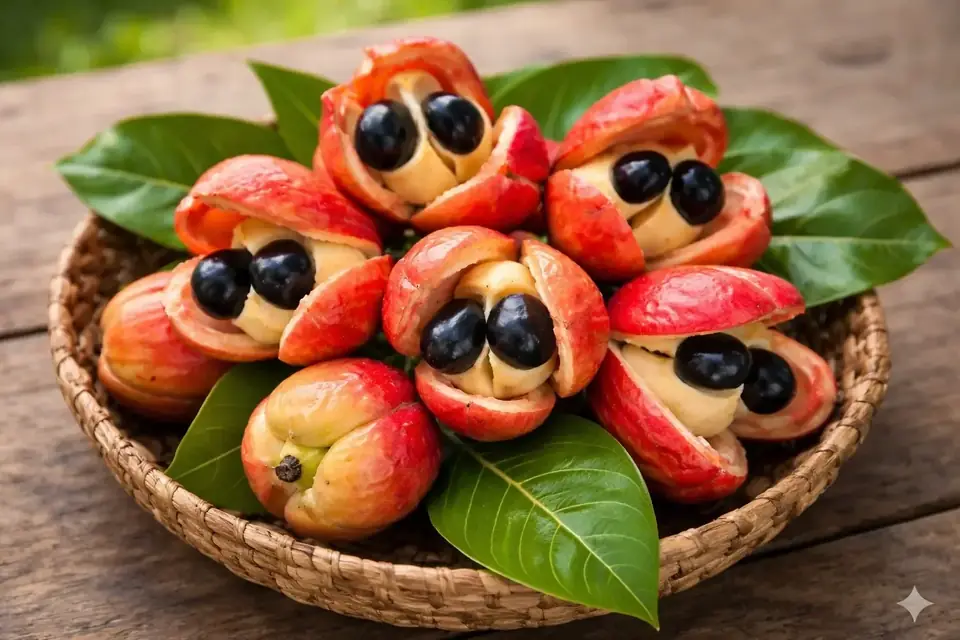
- •Ackee: Premium pricing but requires careful handling. Strong local and diaspora demand.
- •Dragon Fruit: Growing international demand. Can yield within 1-2 years.
- •Avocado: Year-round demand. Hass and Caribbean varieties both profitable.
Startup Costs
- •Small backyard operation: $500–$2,000
- •Medium farm (1-5 acres): $5,000–$25,000
- •Commercial operation (10+ acres): $50,000+
Costs include: land preparation, seedlings, irrigation, fencing, tools, and initial labor.
Value-Added Products
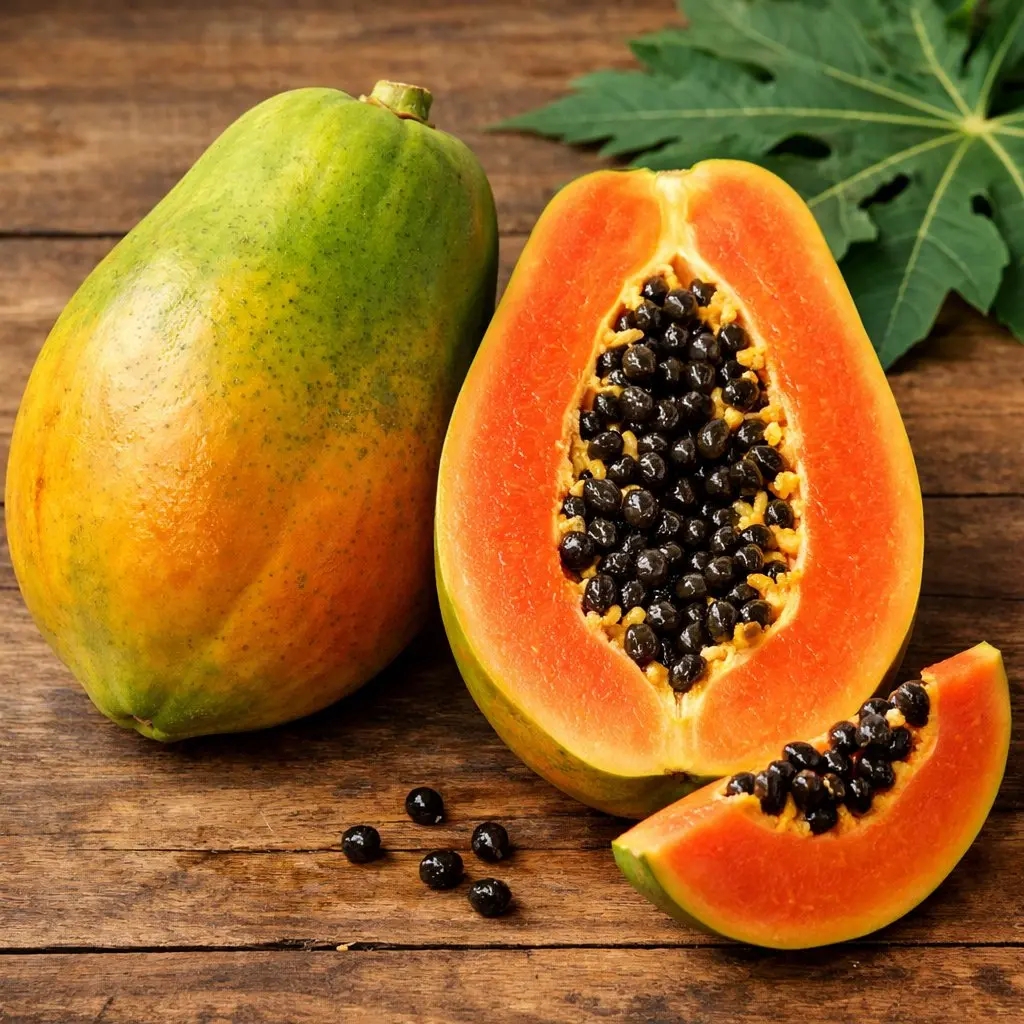
Don't just sell fresh fruit — maximize profits: • Jams and Preserves: Mango chutney, guava jelly, tamarind sauce • Dried Fruit: Mango slices, banana chips, coconut flakes • Juices and Smoothies: Fresh-pressed tropical juices • Ice Cream and Sorbet: Soursop, coconut, mango flavors • Teas and Wellness Products: Soursop leaf tea, moringa blends • Skincare: Coconut oil, papaya face masks, mango butter
Marketing Your Fruit Business
- •Farmers Markets: Direct to consumer, highest margins
- •Restaurants and Hotels: Wholesale contracts, consistent demand
- •Online Sales: Ship to diaspora communities abroad
- •Export: USDA and EU certification opens global markets
- •Agri-Tourism: Farm tours, pick-your-own, cooking classes
Key Challenges
- •Hurricane season (June–November) can destroy crops
- •Pests like fruit flies and mealybugs require management
- •Access to capital for expansion
- •Maintaining consistent quality and supply
- •Navigating export regulations and certifications
Getting Started
1. Research your local climate and soil 2. Start small with 2-3 fruit varieties 3. Connect with your agricultural extension office 4. Join farmer cooperatives for shared resources 5. Build relationships with buyers before planting 6. Keep detailed records from day one
Want More? Download the Full Ebook!
This article is an excerpt from our premium guides. Get the complete ebooks with 50+ fruit profiles, 100+ recipes, meal plans, and expert research.
📄 Published digital-product refund policy • 🔒 Protected PDF delivery
🍽️ Related Recipes

Caribbean Soursop Juice — Jamaican Style Recipe
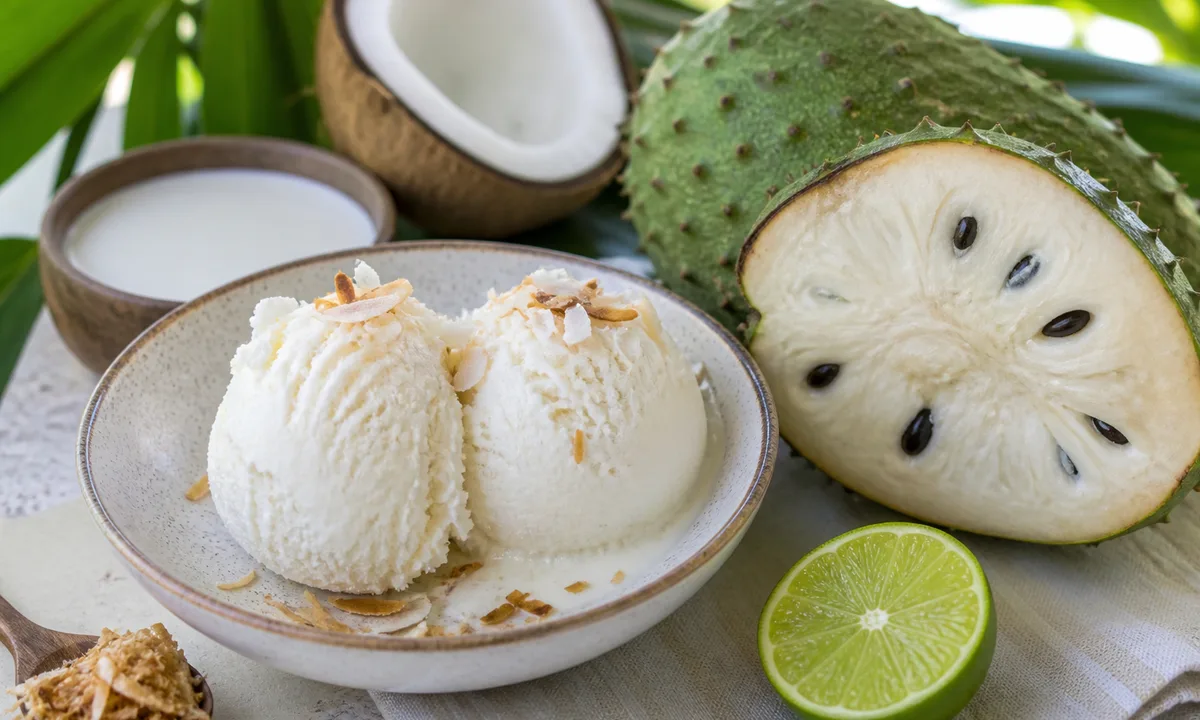
Soursop Coconut Ice Cream
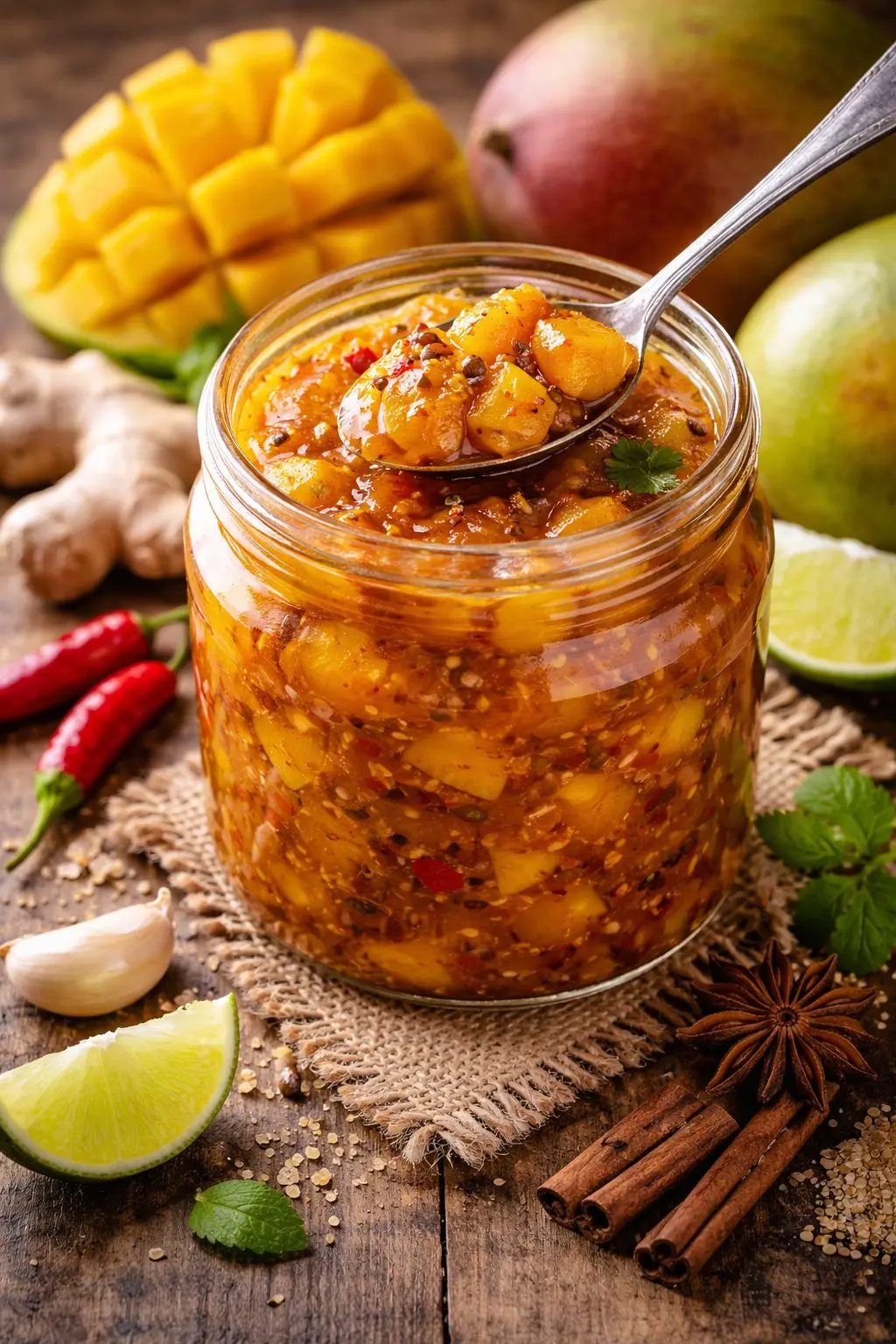
Tropical Mango Chutney
Fruit Comparison Tool
Compare nutrition, taste, and health benefits side by side.
🧠Caribbean Fruit Quiz
Test your tropical fruit knowledge — win rewards!
🏆Fruit Match-Up
Soursop vs Sweetsop? Find your perfect superfruit.